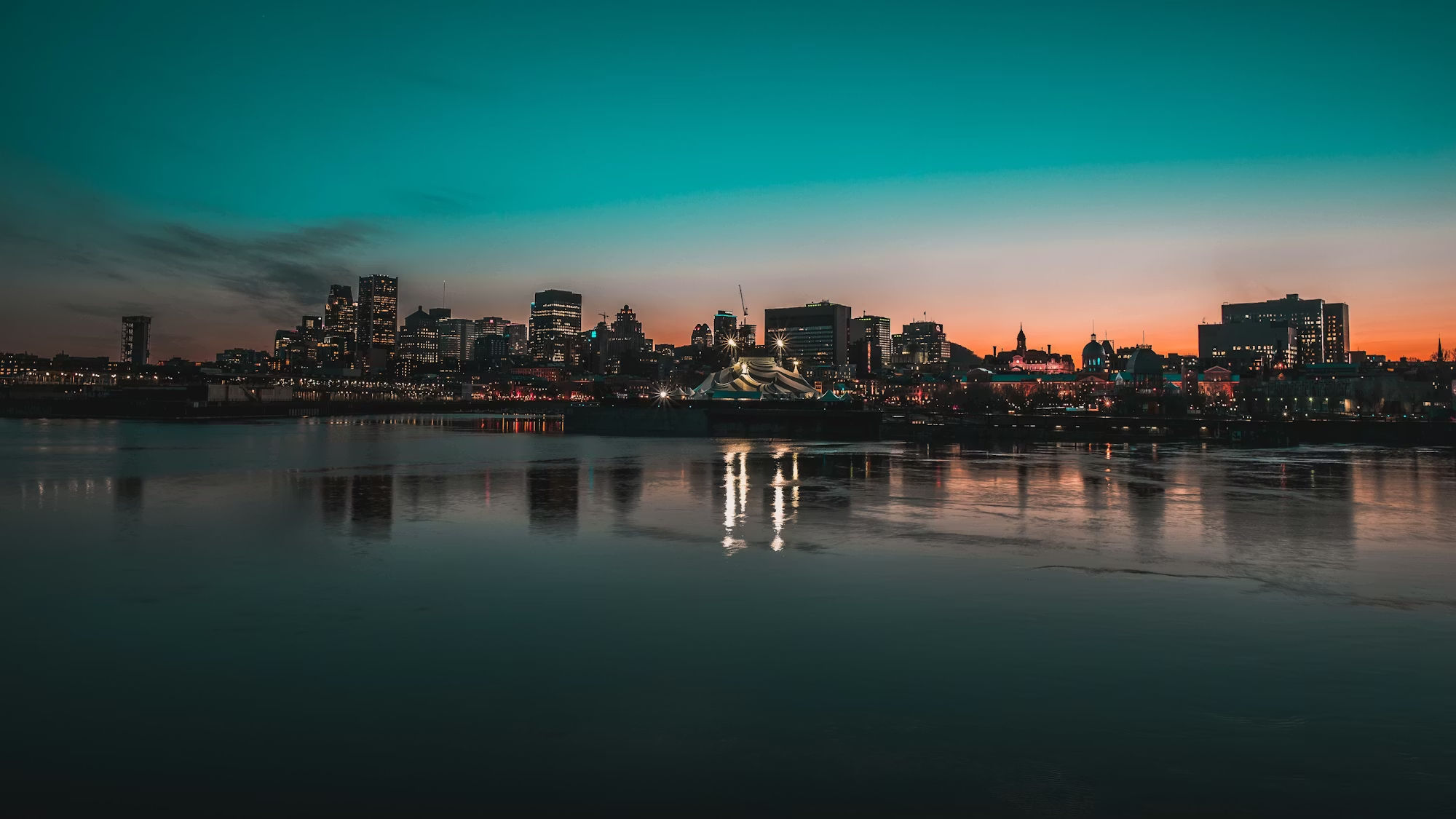
In recent years, cities around the world have experienced a renaissance, characterized by a renewed focus on public spaces. This transformation is not merely about aesthetics; it aims to foster community engagement, enhance social interactions, and promote a sense of belonging among residents. This article delves into the various dimensions of this urban renaissance, highlighting successful projects, innovative designs, and the overall impact on city life.
Public spaces are essential to urban life, serving as venues for social interaction, cultural expression, and recreation. Traditionally, many cities have struggled with underutilized or poorly designed public spaces, often failing to meet the needs of their communities. However, recent trends show a shift toward creating vibrant, inclusive spaces that prioritize people over cars. This evolution reflects a broader understanding of how well-designed public spaces can enhance urban living.
One notable example of this shift is the transformation of Times Square in New York City. Once a bustling thoroughfare dominated by vehicles, the area has been reimagined as a pedestrian-friendly plaza, featuring seating, greenery, and art installations. This redesign not only improved the aesthetics of the space but also increased foot traffic, resulting in a boost for local businesses. By prioritizing pedestrians, the city has created an environment that encourages social interactions, making Times Square a true gathering place for residents and visitors alike.
Similarly, the revitalization of the waterfront in cities like Copenhagen has demonstrated the importance of integrating public spaces with natural landscapes. The city’s focus on creating accessible waterfront areas, complete with parks, walking paths, and recreational facilities, has significantly enhanced the quality of life for residents. These spaces not only provide opportunities for leisure and relaxation but also foster a strong connection between the community and the water, promoting environmental stewardship and appreciation.
The design of public spaces is also evolving to reflect the needs of diverse populations. Many cities are now implementing inclusive designs that cater to people of all ages and abilities. For instance, playgrounds that incorporate adaptive equipment allow children with disabilities to play alongside their peers. Furthermore, public spaces that offer seating, shade, and amenities such as water fountains create welcoming environments for everyone, encouraging participation and engagement.
The role of technology in shaping public spaces is another fascinating aspect of the urban renaissance. Smart city initiatives are being integrated into public space designs, enhancing accessibility and convenience. Features such as free Wi-Fi, interactive information kiosks, and app-based services provide residents and visitors with real-time information about events, transportation, and amenities. These technological advancements not only improve the user experience but also promote a sense of connectivity within the community.
Art and culture play a pivotal role in enriching public spaces. Cities are increasingly recognizing the value of incorporating public art installations, murals, and performance areas into their designs. These elements not only beautify the urban landscape but also serve as a medium for cultural expression and storytelling. For example, Philadelphia’s Mural Arts Program has transformed the city into an open-air gallery, showcasing the talents of local artists and fostering a sense of pride among residents. Such initiatives highlight the importance of culture in revitalizing public spaces and strengthening community identity.
Community engagement is essential in the development of successful public spaces. Involving residents in the planning process ensures that their voices are heard, resulting in spaces that truly reflect their needs and desires. For example, the participatory design process employed in the creation of the Superkilen Park in Copenhagen involved input from the diverse local community. The park features elements from around the world, reflecting the multicultural fabric of the neighborhood and promoting inclusivity.
Moreover, the integration of sustainability into public space design is increasingly important. Cities are adopting environmentally friendly practices, such as using native plants in landscaping and implementing sustainable drainage systems. These efforts not only enhance the ecological value of public spaces but also educate residents about environmental issues. Green spaces, such as parks and community gardens, contribute to urban biodiversity and provide crucial habitats for local wildlife, reinforcing the connection between urban living and nature.
As cities continue to evolve, the challenges of climate change and population growth present opportunities for innovation in public space design. Resilient urban spaces that can adapt to changing environmental conditions are becoming a priority. For instance, cities like Rotterdam are exploring the concept of climate-adaptive urbanism, which involves designing public spaces that can withstand flooding and extreme weather events. Such foresight ensures that urban environments remain livable and enjoyable for future generations.
The benefits of well-designed public spaces extend beyond aesthetics; they have tangible impacts on health and well-being. Research shows that access to green spaces is linked to improved mental health, increased physical activity, and enhanced social cohesion. Parks and public plazas provide vital areas for exercise, relaxation, and community events, contributing to a higher quality of life for urban residents. By prioritizing the creation of inclusive, accessible public spaces, cities can foster healthier, more connected communities.
In conclusion, the urban renaissance driven by the transformation of public spaces is reshaping the way we experience city life. By prioritizing pedestrian-friendly designs, community engagement, and cultural expression, cities are creating vibrant environments that enhance social interaction and foster a sense of belonging. As we move forward, the integration of sustainability and technology will further enrich public spaces, ensuring that they meet the diverse needs of urban populations. Embracing this urban renaissance not only improves the aesthetics of cities but also contributes to healthier, more vibrant communities for all.