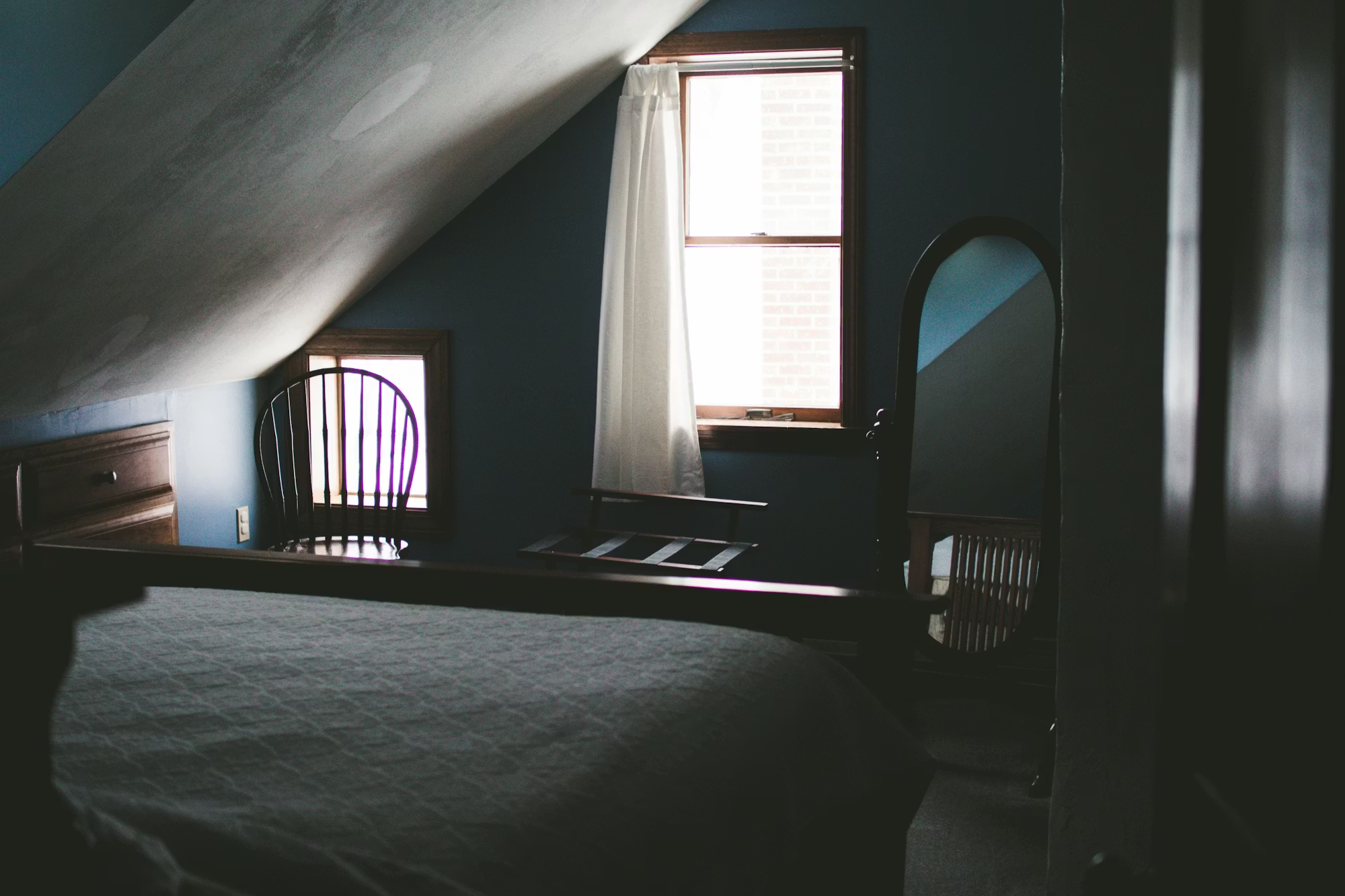
Living in a small apartment can be both a challenge and an opportunity for creativity. As urban populations grow, many individuals find themselves in compact living spaces that require smart organization and design strategies. This article explores effective solutions to maximize small spaces, helping residents create functional, stylish, and comfortable homes. One of the first steps to maximizing a small apartment is to embrace minimalism. By reducing clutter and focusing on essential items, residents can create a more open and airy environment. This approach not only simplifies daily living but also allows for better organization. Start by decluttering regularly, keeping only items that serve a purpose or bring joy. Consider implementing a ‘one in, one out’ rule: for every new item brought into the home, another should be removed. This helps maintain balance and prevents accumulation over time. Furniture selection plays a crucial role in maximizing small spaces. Opt for multi-functional pieces that serve more than one purpose. For example, a sofa bed provides seating during the day and converts into a bed for guests at night. Similarly, a coffee table with storage can help keep living areas tidy while offering a place to display decorative items. Consider nesting tables that can be tucked away when not in use or ottomans that double as seating and storage. By choosing versatile furniture, residents can create a more flexible living space. In addition to multi-functional furniture, vertical space should not be overlooked. Utilizing wall space for storage and decoration can significantly free up floor area. Shelving units, wall-mounted cabinets, and floating shelves can hold books, plants, and decorative items without taking up valuable floor space. Additionally, consider hanging items like bicycles or pots and pans on walls or ceilings, transforming them into functional art. When it comes to organizing smaller areas, under-utilized spaces can be transformed into storage solutions. For instance, under the bed is a prime location for storing seasonal clothing, shoes, or extra linens. Bed risers can create additional clearance, allowing for larger storage boxes. Similarly, the space above kitchen cabinets can be used for less frequently used items or decorative displays, adding character to the kitchen while keeping counters clear. In the bathroom, utilizing the back of the door or the walls for hooks and shelves can keep essentials organized without taking up counter space. Light and color play a significant role in how a small apartment feels. Light colors tend to make spaces appear larger and more open. Consider painting walls in soft, neutral tones or using light-colored furniture and decor. Mirrors can also create an illusion of space by reflecting light and making a room feel more expansive. Strategically placing mirrors opposite windows or light sources enhances natural light and adds depth to a room. Layering lighting sources can help create a warm and inviting atmosphere in small apartments. Use a combination of ambient, task, and accent lighting to establish different moods throughout the day. Table lamps, floor lamps, and wall sconces can provide functional light while also serving as decorative elements. Incorporating smart bulbs allows for customizable lighting options that can change the ambiance according to personal preference. Indoor plants can breathe life into a small apartment while improving air quality. Selecting plants that thrive in low-light conditions makes it easier to incorporate greenery without compromising space. Hanging plants or wall-mounted planters can also help utilize vertical space and bring a touch of nature indoors. Plants not only enhance aesthetics but can also create a calming environment, making a small apartment feel like a true home. Personalization is key to making any living space feel comfortable and inviting. Use artwork, photographs, and decorative items that reflect personal style and experiences. Even in small spaces, incorporating elements that resonate emotionally can create a sense of belonging and warmth. Arranging items thoughtfully can turn a compact apartment into a unique expression of self. Room dividers can be an effective way to create distinct areas in a small apartment, especially in studios or open-plan layouts. Options like curtains, bookcases, or decorative screens can define spaces without permanent walls. This allows for a sense of separation between living, sleeping, and working areas while maintaining an open feel. Flexible room dividers can also be moved or adjusted as needed, adapting to changing lifestyles or needs. Additionally, consider the layout of the apartment itself. Arranging furniture to facilitate movement and flow can make a small space feel more expansive. Keep pathways clear and avoid blocking windows or doors, which can create a cramped atmosphere. Rearranging furniture periodically can also provide a fresh perspective and optimize space usage. Seasonal changes can inspire updates to a small apartment. When the weather warms up, consider swapping out heavy textiles for lighter fabrics to create an airy feel. In the winter, warm throws and cozy lighting can make the space feel inviting and snug. Regularly refreshing decor and textiles can maintain a sense of novelty and prevent stagnation in a small living environment. Smart technology can enhance comfort and functionality in small apartments. Devices such as smart thermostats, lighting systems, and home assistants can help manage daily tasks efficiently. By automating routines, residents can focus on enjoying their space rather than constantly maintaining it. These technologies can also contribute to energy efficiency, aligning with the needs of modern living. Finally, fostering a sense of community can enhance the small apartment experience. Engage with neighbors, participate in building activities, or organize gatherings to create connections that enrich urban living. Shared experiences can help residents feel more at home and provide valuable support in navigating life in a small space. In conclusion, maximizing a small apartment requires creativity, organization, and a willingness to embrace the unique aspects of compact living. By implementing smart design strategies, choosing versatile furniture, and making the most of available space, residents can create functional and stylish homes. A small apartment doesn’t have to feel limiting; instead, it can be a canvas for personal expression and a comfortable haven amidst the hustle of urban life. With thoughtful planning and a touch of creativity, anyone can transform a compact living space into a welcoming home that reflects their individuality.